
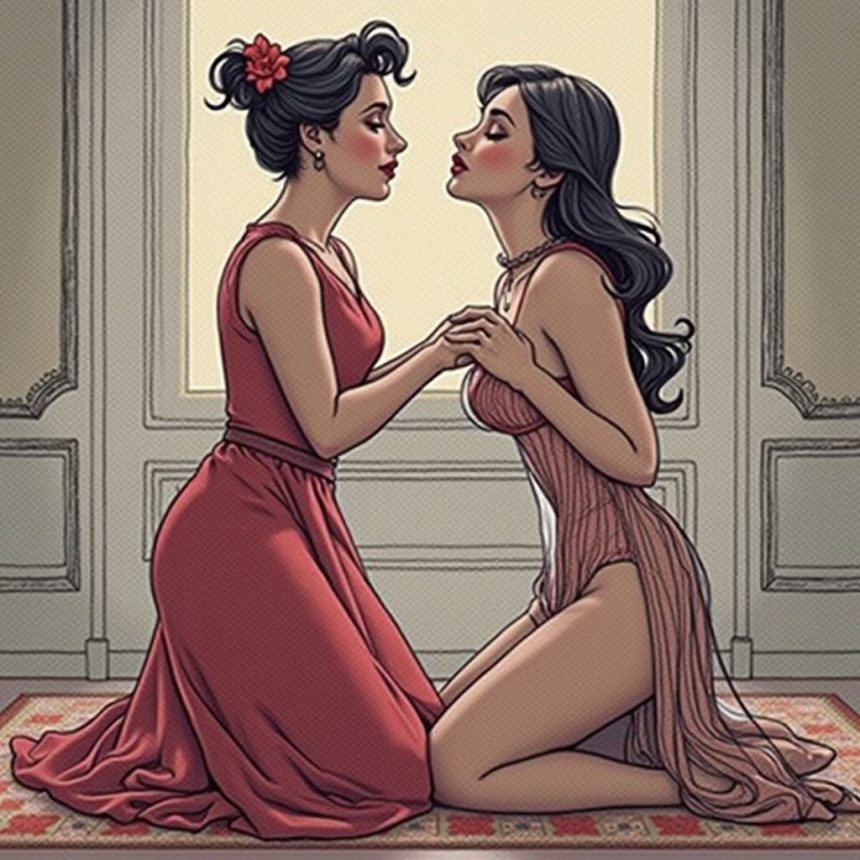
The Influence of Temptation on Art
The art of temptation is a field in art that focuses on creating works intended to arouse desire, passion, and a desire to buy or enjoy a specific experience. These works of art are designed to influence the emotions and feelings of viewers and create in them a desire to act in line with the artistic performance.

Temptation in art is used to create a connection between the artist and the viewers, to convey a specific message or idea, and to create an intense and stimulating viewing experience. Works of art of temptation can be dazzling, emotional, and interesting, and can enhance the relationship between people and art and contribute to the aesthetic and emotional experience of viewers.
The influence of temptation on art is very important because it allows artists to create unique works that can change the minds of viewers and arouse in them a desire to think, feel, and act. In addition, the art of temptation offers artists and viewers a creative and innovative experience that encourages creativity and fruitful thinking.
The ability to understand the sensitivity of others is key to success in the art of temptation.
Aviv Bar – Communication Manager
Planning and Preparation for Temptation
The art of temptation is a field of immense importance in human life, influencing his behavior and experiences. In order to succeed in this field, it is important to plan and prepare for temptation in a precise and professional manner.
Planning for temptation begins with understanding its sources – what are the components that influence the phenomenon of temptation and how can they be identified in advance. We must understand the psychological and emotional processes that influence us and discover which of them may lead to temptation.
Preparation for temptation requires us to act methodically and to practice and delve into the subject. It is important to examine our weaknesses and vulnerabilities and challenge ourselves to deal with them effectively.
Next, we need to develop strategies and tools that will help us deal with temptation successfully. These tools may include exercises in emotion and focus, exercises in emotional depth, and the development of self-control and emotional intelligence.
At the end of this process, we can feel more empowered and confident in our ability to deal with temptations and to grow and develop as individuals. Through methodical planning and preparation, we can improve the quality of our lives and reach new levels of achievement and success.
Using Temptation in Performance Art
The art of temptation is an important tool in the world of performance, where a variety of artistic actions and creations are performed. Using temptation in performance art can enhance the audience’s viewing and experience, providing them with a new and fascinating worldview. By creating scenes and movements that arouse emotions and courage, it is possible to convey deep and meaningful messages to viewers and create a deep emotional connection.
The art of temptation can be an effective tool for improving social skills and relationships between people.
Yael Cohen – Entertainment Guide

When activated creatively and engagingly, temptation can convey different emotions and feelings, create a dialogue between the director, actors, and viewers, and provide each of them with a unique and fascinating viewing experience. When working with temptation in a professional and expert manner, amazing results can be achieved and a positive impact can be made on the audience and culture in general.
The art of temptation in performance art is a powerful tool that can play with our emotions and arouse our feelings. On stage, temptation can be a play of eyes, emotional movements, or any other action aimed at enhancing the understanding and expression of the audience and deepening the artistic experience. By combining temptation and performance, it is possible to create stunning and captivating works of art that influence everyone exposed to them.
Temptation as a Tool for Creativity
The art of temptation is a fascinating field that combines art, creativity, and psychology. Temptation is a part of our daily lives and can be used as a tool for great creativity. The deep meaning of temptation allows us to deal with different emotions, desires, and passions.
In the art of temptation, a variety of tools and techniques are used to perform the temptation, such as movement, words, objects, and more. Through temptation, we can test boundaries, expand imagination, and make us rethink our surroundings and ourselves.
Temptation is important in creativity because it arouses deep emotions and shows us new possibilities. Through the new reality it creates, we can experience new ideas and develop our creative abilities.
In conclusion, the art of temptation is a fascinating and challenging field that requires creators to think outside the box and create works that are inspiring, captivating, and thought-provoking. In order to succeed in this field, artists must be creative, sensitive, and have a deep insight into human dynamics and emotions.